Oil-based vs water-based deck stain is a common question when a deck needs fresh color and protection. Both options can improve the look of outdoor wood, though they behave differently after application. The right choice depends on your deck’s condition, exposure, and the finish you want to live with.
Oil-Based Vs Water-Based Deck Stain Explained
Oil-based vs water-based deck stain often comes down to how each product works with the wood. Oil-based stain penetrates deeper into the grain, which can create a rich and traditional appearance. Water-based stain sits closer to the surface and offers a more uniform color in many cases.
Each type has a place, though neither one solves every deck problem. Older boards may respond well to a penetrating oil-based finish after thorough preparation. Newer decks can sometimes benefit from water-based products that dry faster and hold color well.
The real work starts before stain is even selected. We assess the wood’s condition, look for old coatings, and check where sunlight hits the deck. That gives us a better idea of what finish will work best.
How Oil-Based Stain Looks
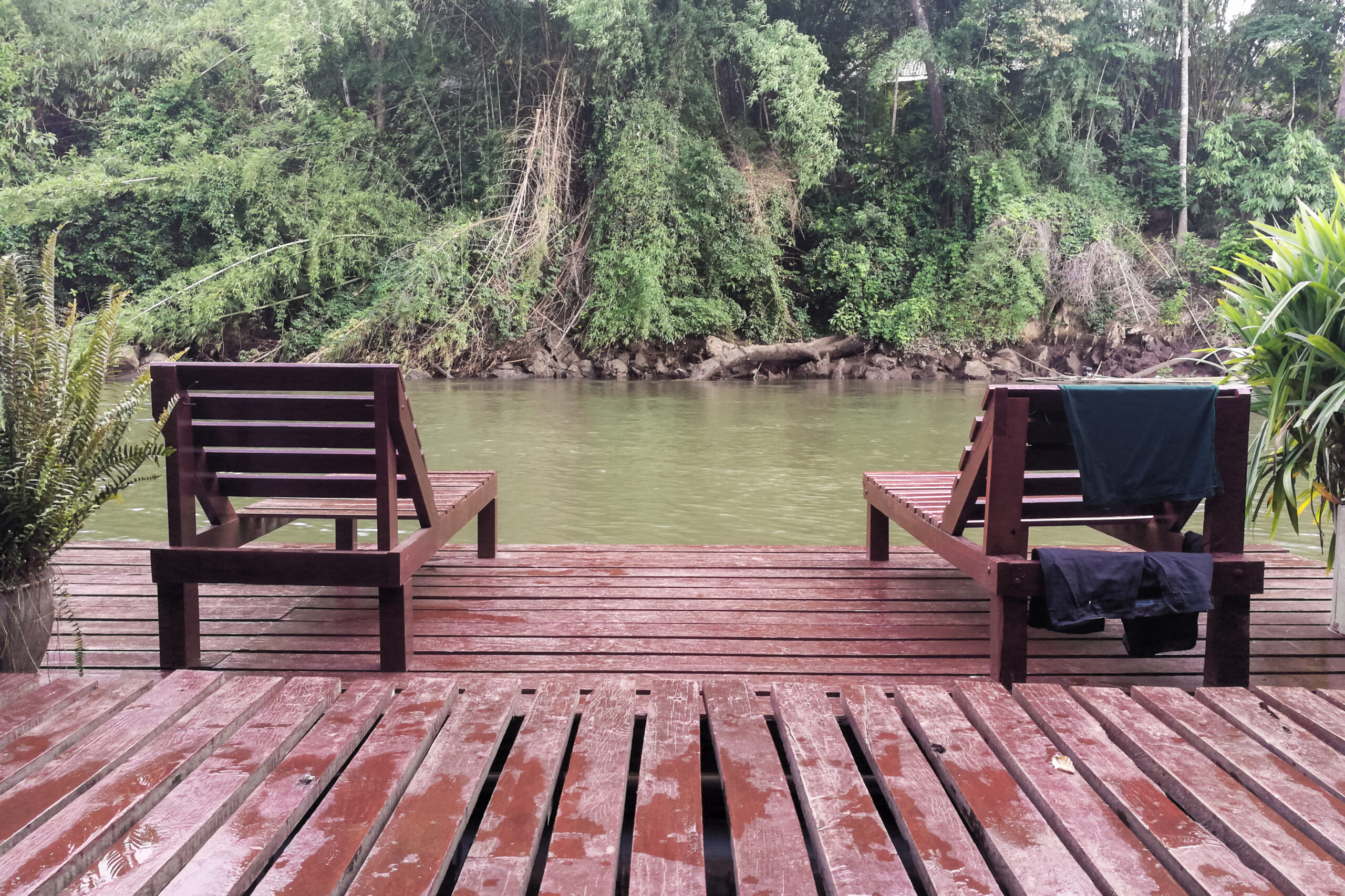
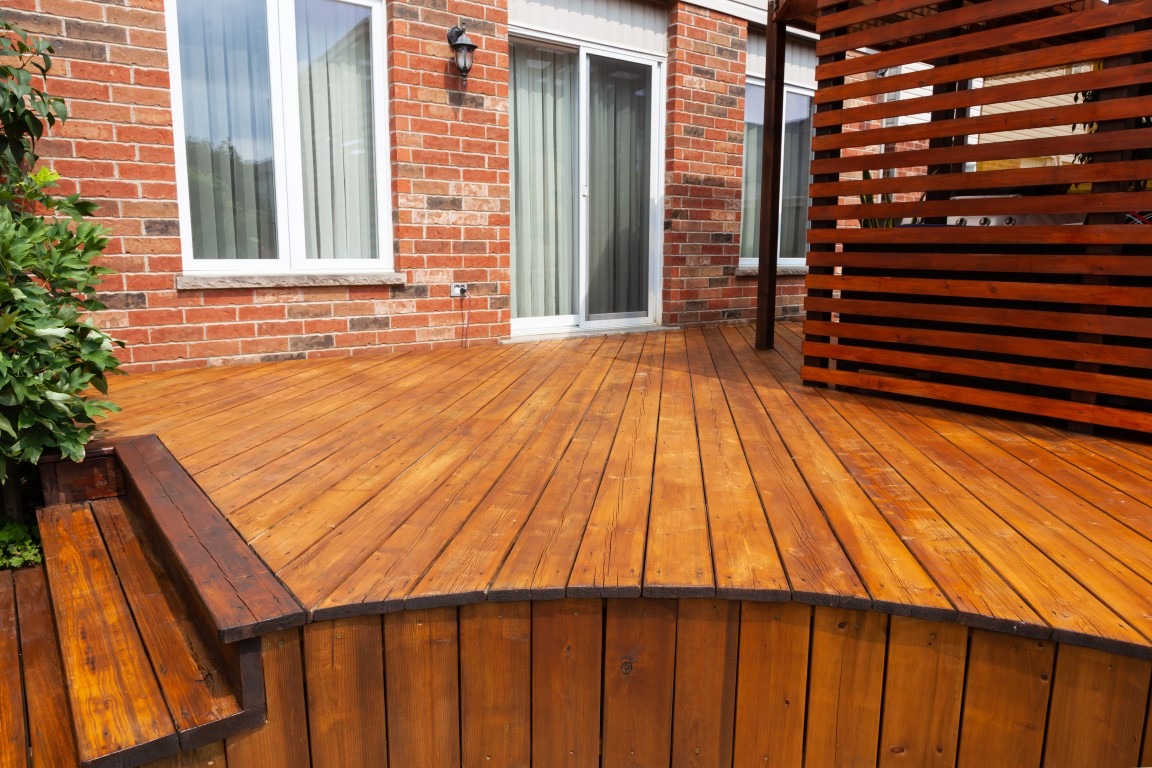
Oil-based stain is popular because it can bring out the natural grain in wood. It soaks into the boards rather than forming a thick surface layer. That can create a warmer look, especially on redwood and other wood with visible character.
Many homeowners like the way oil-based stain ages over time. It may fade gradually instead of peeling in large patches, which can make maintenance more manageable. Still, the deck needs regular care to keep that finish looking its best.
Oil-based stain often works well on older decks with dry or weathered wood. The stain can absorb into open grain and restore a more even tone. This is especially helpful when boards have lost color from sun exposure.
How Water-Based Stain Looks
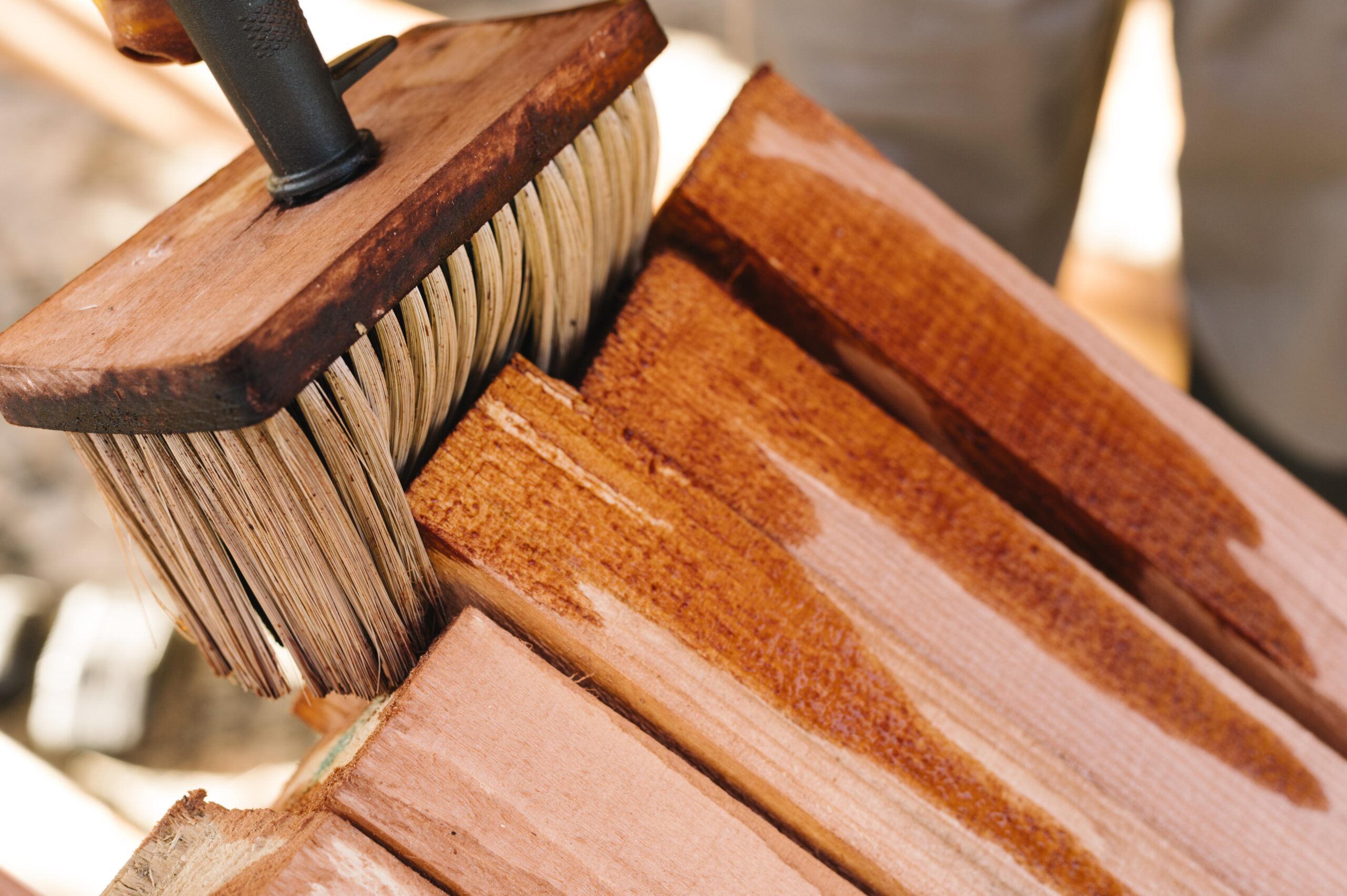
Water-based stain can offer a cleaner and more consistent color across the deck surface. It is often a good fit for homeowners who want a more modern look. The finish can also hold its color well when the product is applied properly.
Oil-based vs water-based deck stain becomes more noticeable when comparing color options. Water-based products may offer a wider range of shades and more predictable coverage. That can help when the deck needs to match trim, fencing, or other exterior features.
This type of stain also tends to dry faster than oil-based products. Faster drying can make the application process feel more efficient, though weather still matters. A deck needs the right conditions before any stain goes on.
Durability In Outdoor Conditions
A deck finish has to deal with more than ordinary foot traffic. Sun, moisture, patio furniture, and changing temperatures all affect how stain holds up. The type of product matters, but proper prep matters just as much.
Oil-based stain can offer strong penetration, which helps it protect wood from within. Water-based stain can form a durable surface layer that resists fading and weather exposure. The better option depends on the deck’s age and its surroundings.
Oil-based vs water-based deck stain should never be decided based on a label alone. A product that performs well on one deck may not fit another. We look at the wood and recommend a path that makes sense for the full surface.
Drying Time And Project Planning
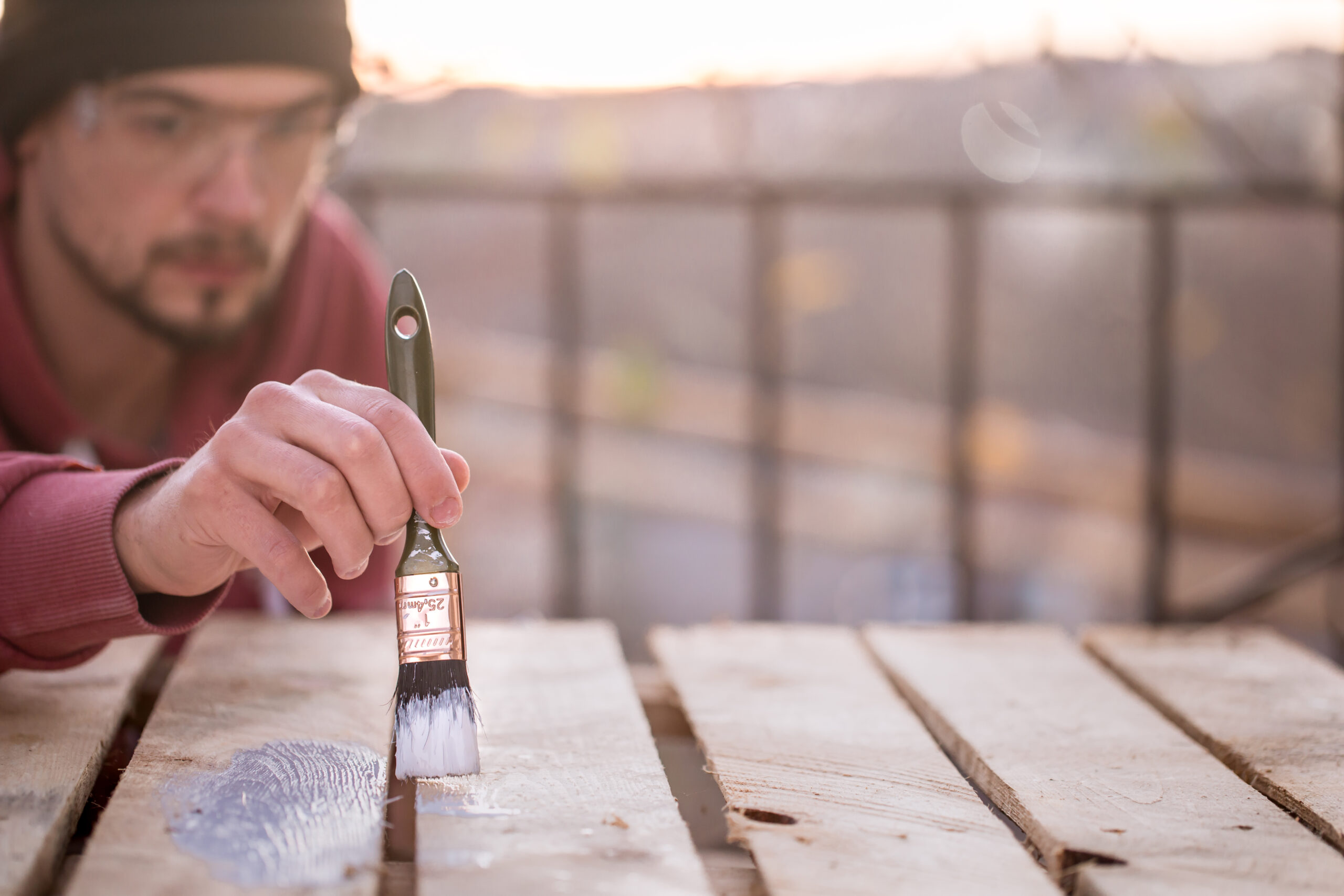
Drying time is one of the biggest practical differences between stain types. Water-based products often dry faster, which can be helpful during a narrow stretch of good weather. Oil-based stains usually need more time before the deck is ready for use.
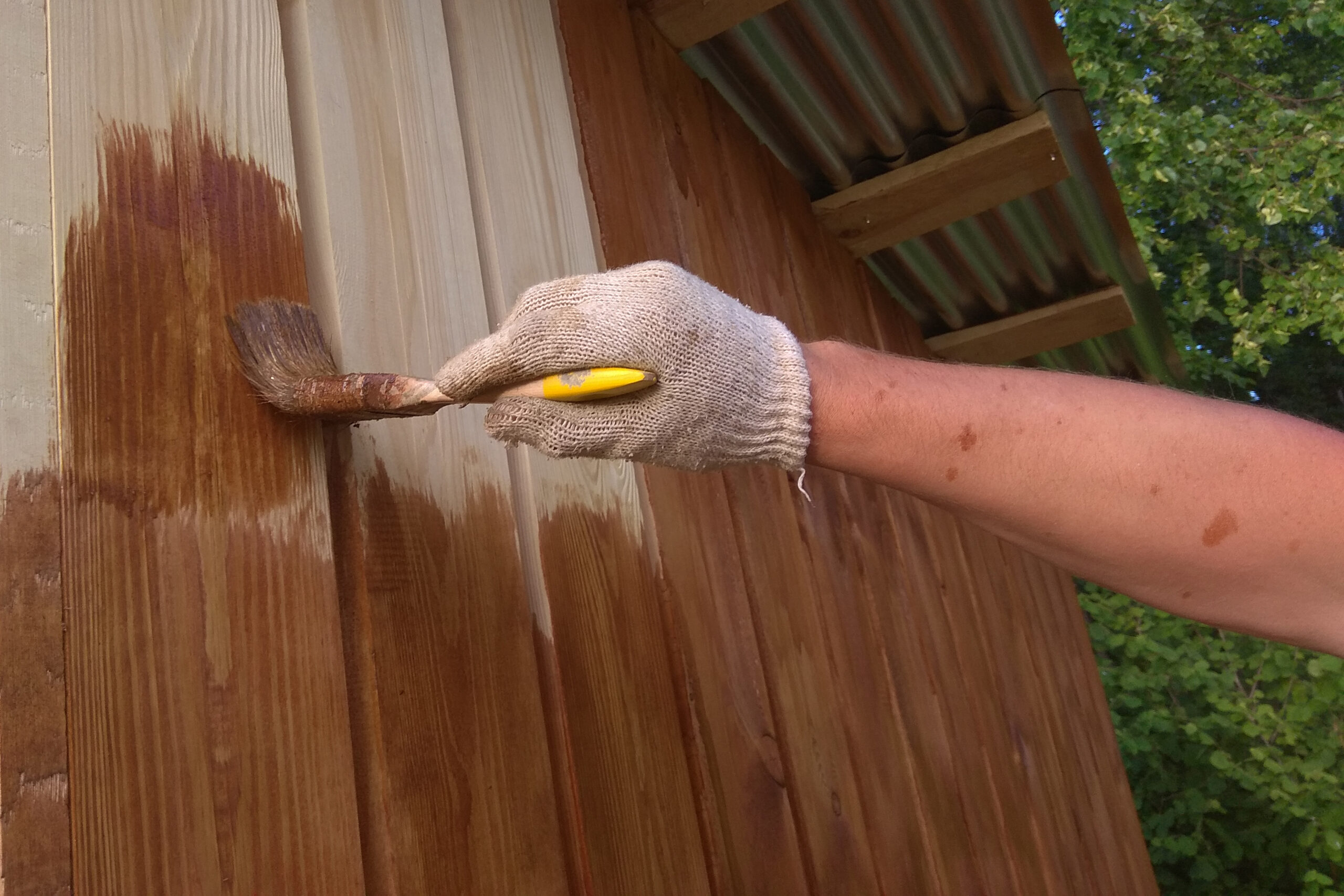
Fast drying can be useful, though it also leaves less room for mistakes. If the stain starts drying before it is worked evenly across the boards, lap marks may appear. Oil-based finishes often give more working time, which helps create smoother coverage.
We plan the job around weather, deck conditions, and the product being used. That helps the stain cure as intended and gives you a clearer idea of when the deck can be used again. Nobody wants to step outside and find sticky boards underfoot.
Oil-Based Vs Water-Based Deck Stain And Maintenance
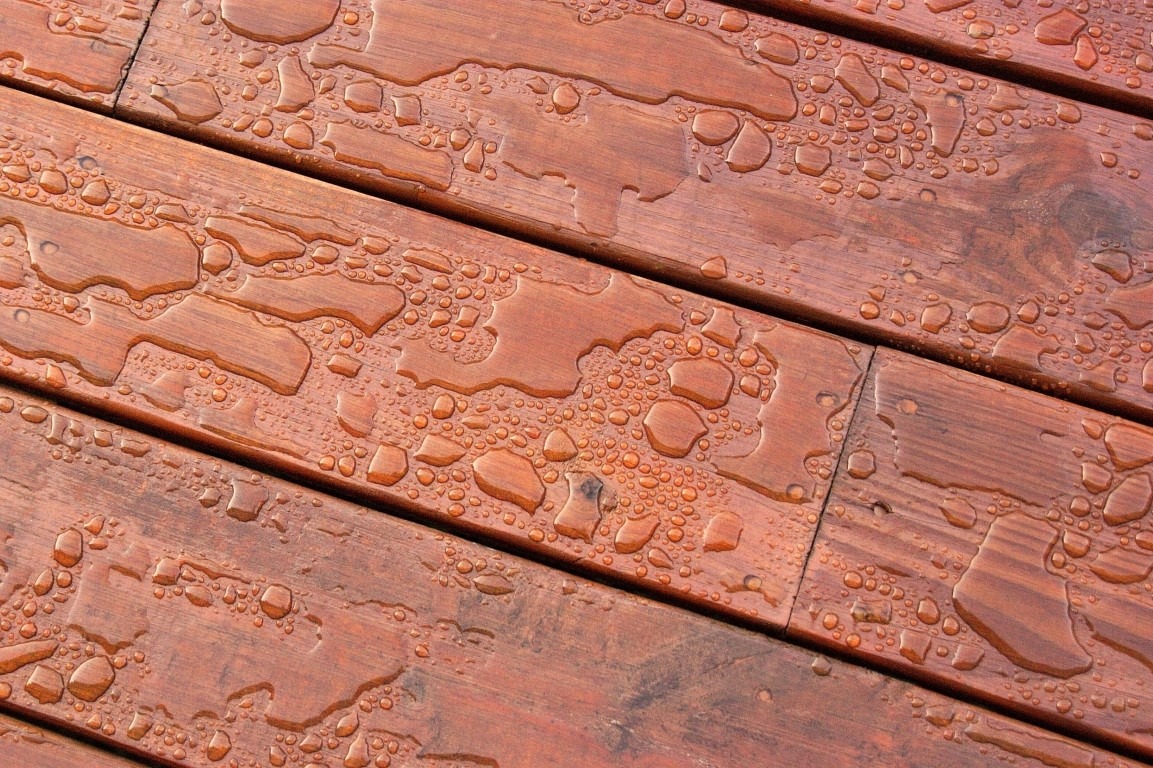
Oil-based vs water-based deck stain also affects what maintenance looks like over the years. Oil-based finishes may need periodic refreshing as the color slowly fades with sun exposure. Water-based finishes can remain more consistent in color, though surface wear may show up in high-traffic areas.
The maintenance schedule depends on where the deck sits and how often it gets used. A covered deck may hold its stain longer than an open deck facing direct sun. Areas near steps and doors often show wear first because they see more traffic.
We recommend checking the deck at least once or twice each year. Look for dull color, water absorption, rough boards, or signs of peeling. Catching those changes early can make maintenance less involved.
Weather Resistance And Moisture Protection
Outdoor wood takes on moisture in several ways throughout the year. Rain can soak into unprotected boards, while morning moisture can sit on shaded areas. Over time, repeated exposure can leave the wood looking uneven and dry.
Oil-based stain usually penetrates into the wood and helps slow moisture absorption. Water-based stain can form a protective barrier across the surface when applied to well-prepared boards. Both can provide weather resistance when the deck is cleaned and treated properly.
Oil-based vs water-based deck stain should also account for the local climate around your home. A deck with strong afternoon sun may have different needs than one under trees. The best finish supports the way your deck faces the weather.
Application And Surface Preparation
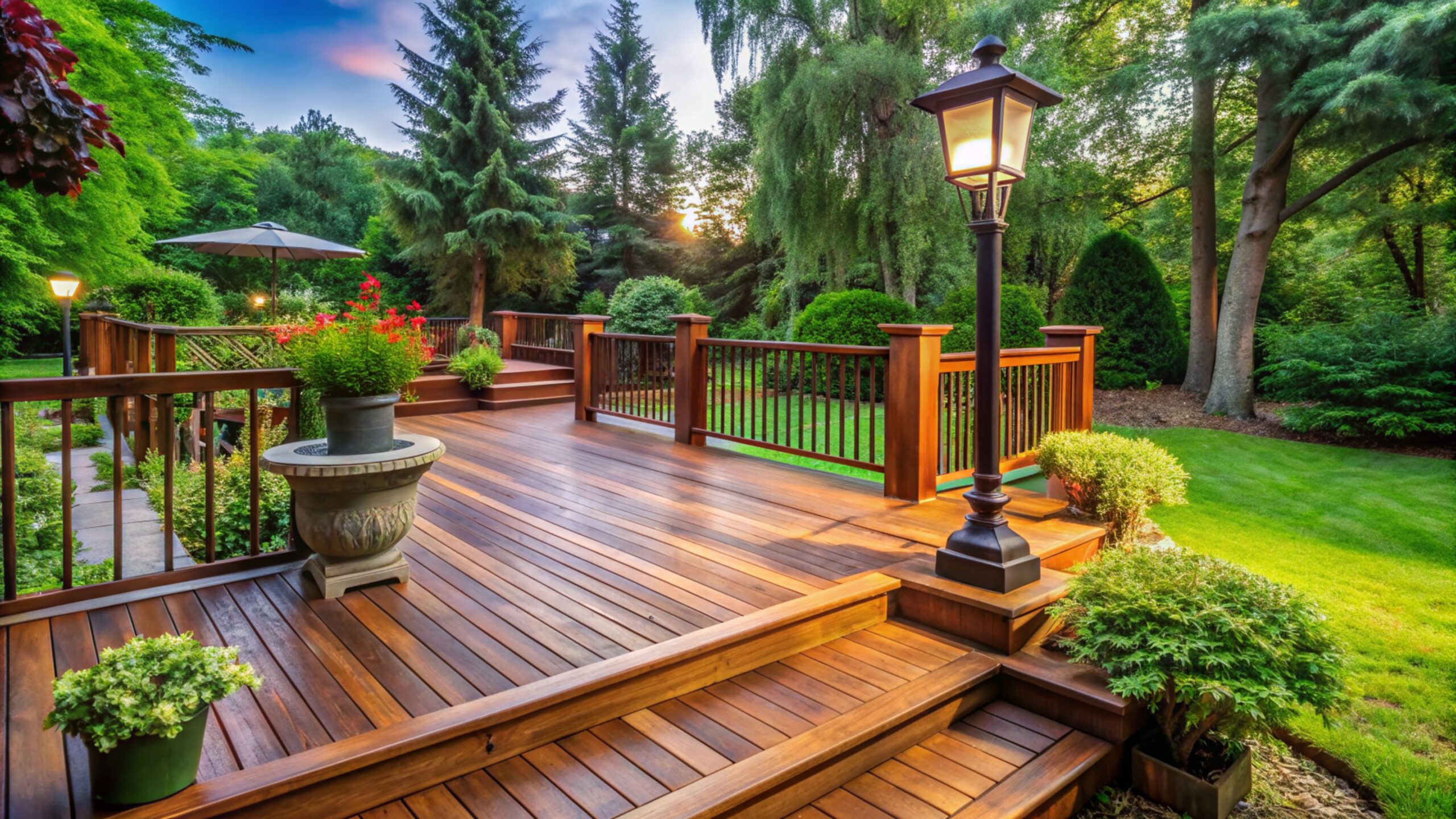
A good stain job begins with a clean and prepared surface. Dirt, mildew, and old residue can keep stain from absorbing evenly. Rough boards may also need sanding before a new finish can look smooth.
We take time to clean the deck and address failing stain before moving ahead. That includes looking closely at high-use areas and boards near sprinklers. A small issue can create a very noticeable stain problem later.
Our deck staining process shows how preparation guides the final result. The stain choice matters, but the surface underneath has to be ready for it. That is where results start.
When Oil-Based Stain Makes Sense
Oil-based stain may be a strong option for decks with dry, weathered boards. It can sink into open grain and help bring back a warmer tone. Homeowners who like a more traditional wood appearance often prefer this type of finish.
It can also work well on decks that have been stained with compatible oil-based products before. Switching product types without proper prep can create adhesion issues or uneven results. We inspect the existing finish before recommending new.
Oil-based stain does require patience during drying and curing. The deck may need more downtime after the stain is applied. That tradeoff can be worth it when the wood needs deeper penetration.
When Water-Based Stain Makes Sense
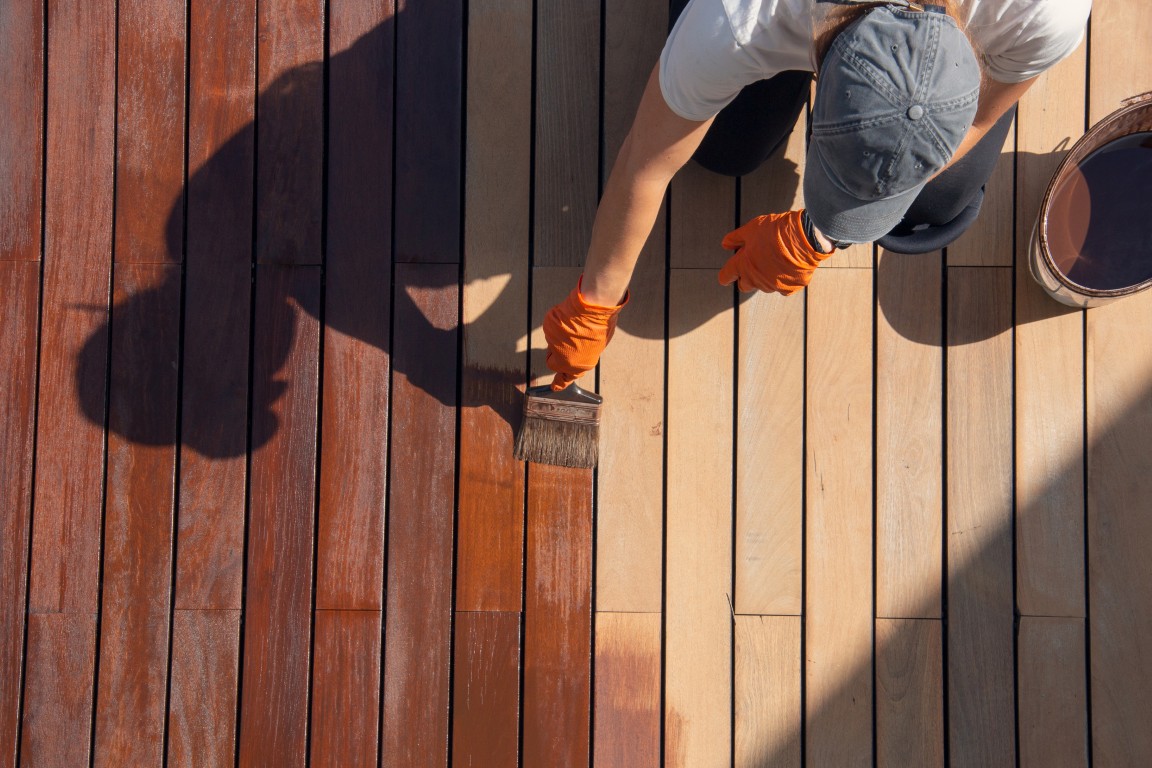
Water-based stain can be a good option for decks where faster drying matters. It may also work well when a more even, modern color is the goal. These products can offer solid protection when applied under the right conditions.
Water-based products can be useful for decks with lighter stain colors. They can also work well when the surface has been prepared for a consistent finish. The final look depends on the wood, the product, and the application method.
Oil-based vs water-based deck stain is not always a simple choice. We look at your deck’s condition before guiding you toward one option. The wrong product can create more work later, and nobody needs that.
Common Deck Stain Problems
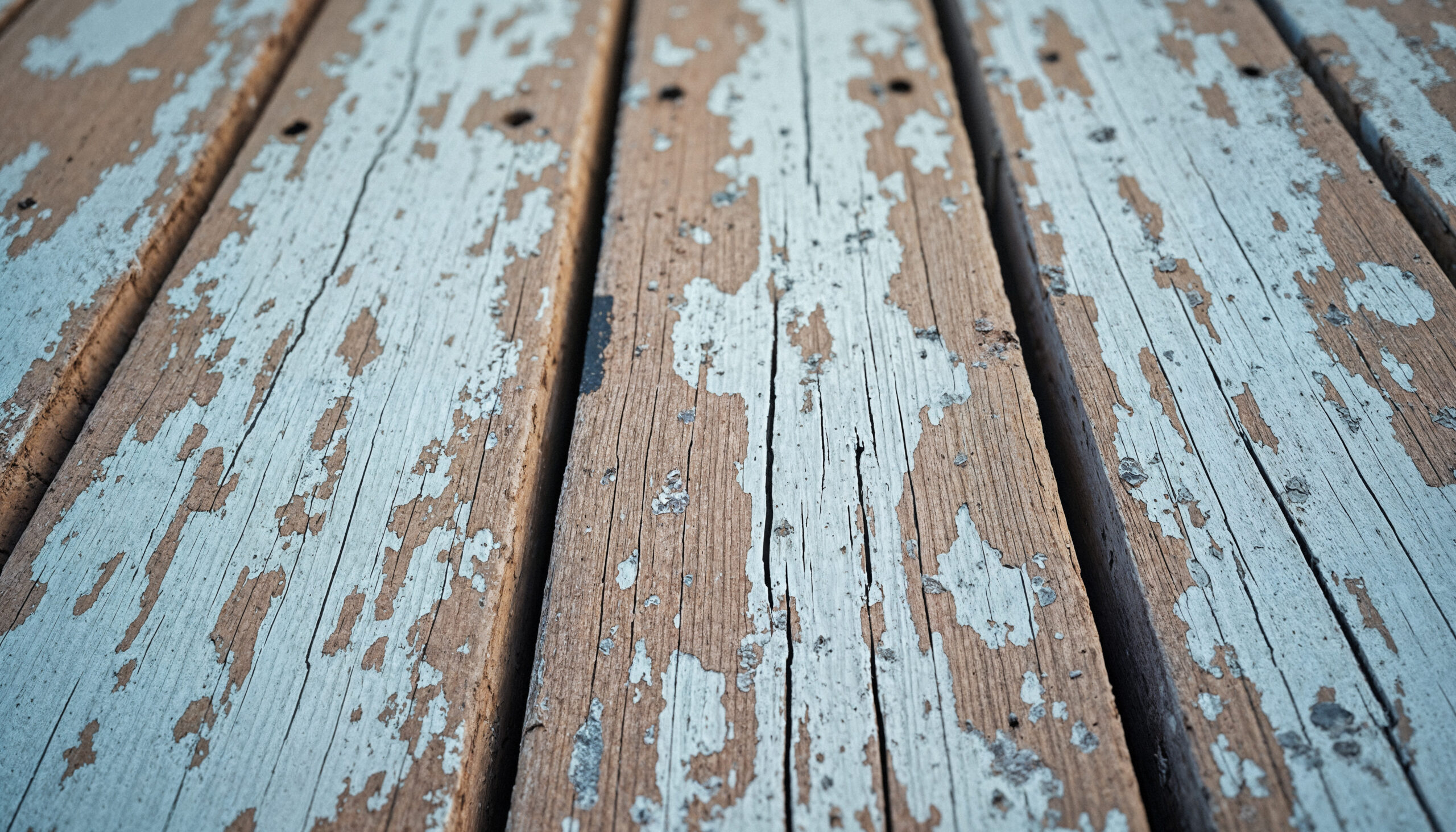
Stain issues often begin long before the finish looks bad. A deck may have hidden old stain that blocks absorption in certain places. It may also have sections that stay damp longer because of shade or nearby landscaping.
Here are some common warning signs to watch for:
Peeling stain around stairs or railings
Gray boards that look dry after cleaning
Water soaking into the surface quickly
Patchy color near doors and furniture areas
These signs do not always mean the deck needs replacement. In many cases, cleaning, sanding, and restaining can bring the wood back. The best plan depends on how far the wear has gone.
What We Look At Before Staining
We do not recommend a stain type without looking at the deck first. The wood’s age, previous coatings, and current finish all matter. Sun exposure and moisture patterns also help guide the decision.
A deck may look faded, but the boards could still be in good shape. Another deck may have rich color in places while showing wear near the edges. That is why a visual inspection matters more than picking a stain from a shelf.
You can see the range of finishes we create in our project gallery. Each outdoor space has different needs, and the finished look should fit the home. A careful plan gives the deck a better chance of holding up.
Oil-Based Vs Water-Based Deck Stain For Long-Term Care
Oil-based vs water-based deck stain comes down to your deck, your preferences, and the type of upkeep you can manage. One product may provide a richer, more natural look, while another may offer faster drying and stronger color retention. Both can work well when the deck has been prepared properly.
We help homeowners understand the practical side before the work begins. That means discussing color, drying time, current surface conditions, and long-term care. The goal is a finish that looks good now and continues working through changing weather.
Clients often appreciate having guidance before making a final decision. You can read more about their experiences through our testimonials. Good stain work starts with understanding the deck, not forcing it into a standard plan.
FAQs
The better choice depends on the deck’s condition and the result you want. Oil-based stain often penetrates deeper into weathered boards, while water-based stain can dry faster and offer even color coverage.
It can be possible, but the deck needs careful preparation first. Old stain may need removal or sanding so the new product can bond properly. We inspect the existing finish before recommending a change.
Oil-based stain usually takes longer to dry than water-based options. Exact timing depends on the product, air temperature, and moisture levels. We let you know when the deck is ready for normal use.
Water-based stain can peel if it is applied over a poorly prepared surface. Proper cleaning and sanding make a major difference in how well the finish holds. The same is true for oil-based stain products.
Stain can dry too fast during very hot conditions, which can create uneven coverage. We plan exterior staining around conditions that give the finish time to settle properly.
Many decks need restaining every few years, though exposure and use affect the timing. When water stops beading or the color looks dull, it is worth having the checked.
Make The Right Call For Your Deck
Oil-based vs water-based deck stain does not have to be a guessing game. Reach out to NextGen Staining through our contact page and let us help you find the finish that fits your outdoor wood.