Blotchy Deck Stain and How You Can Fix It
Blotchy deck stain is uneven color can make a deck look older than it is, even when the boards remain structurally sound. The good news is that blotchy stain usually has a cause, and we can help pinpoint it.
Blotchy Deck Stain After Staining
Blotchy deck stain after a new application often comes down to uneven surface preparation. Wood absorbs stain differently when some boards are clean and others still hold old residue. The result can be dark spots beside lighter areas that never seem to blend.
Decks rarely weather evenly across every board and section. Areas near doors receive more foot traffic, while shaded corners may hold moisture longer. Those different conditions affect how stain settles into the wood.
A blotchy finish can also appear when the stain was applied over a failing coating. Fresh stain may cling to open sections while sitting on top of older material. That creates a patchwork look that stands out once the deck dries.
Uneven Wood Absorption
Blotchy deck stain can also be traced back to uneven absorption. Wood is a natural material, so each board has its own grain pattern and level of weathering. Some areas absorb stain fast, while others resist it because the surface remains sealed.
A deck that has been exposed to strong sunlight often absorbs stain differently. The most exposed boards can become dry and porous after years outdoors. Boards under a covered area may still have more protection from the previous finish.
That difference can leave a deck looking striped or spotted after staining. A lighter section is not always a stain failure, though it needs attention. Proper preparation helps create a more consistent surface before a new finish goes on.
We inspect the deck’s condition before recommending a product or color. That gives us a better understanding of how the wood may react. It also helps us avoid treating every faded area the same way.
Old Stain Residue
Old stain residue is one of the most common answers to blotchy deck stain . Many decks have layers from past applications, including areas where the old coating remains hidden. Those leftover patches can block new stain from soaking into the wood.
Sometimes the old finish looks gone until the deck becomes wet. Water can reveal darker spots that still repel moisture after cleaning. Those areas may need more work before the new stain can look even.
Adding another coat over a failing surface usually makes the problem more noticeable. The new product may darken one section while barely changing another. It can feel like painting over a mystery, and mysteries are rarely helpful during home projects.
We remove loose material and address stubborn residue before staining begins. This creates a more dependable surface for the final finish. Our staining process explains how preparation supports a better-looking result.
Pressure Washing Problems
Pressure washing can help remove surface dirt before staining a deck. It can also create problems when too much pressure damages the wood. Heavy pressure may leave visible marks that absorb stain differently from nearby boards.
Blotchy deck stain after pressure washing often relates to those uneven marks. The water stream can dig into softer grain, leaving streaks or raised fibers. Stain settles into those areas differently, which makes the pattern more obvious.
Pressure washing should be handled with care and matched to the deck’s condition. Older boards may need a gentler approach than newer, denser lumber. A rushed wash can turn a simple restoration into a longer repair project.
The deck also needs enough drying time before staining begins. Trapped moisture can affect how stain absorbs and how the color develops. Dry wood gives the finish a more stable surface to work with.
Missed Sanding Areas
Sanding helps smooth rough areas and remove leftover finish from the wood. Skipping it can leave parts of the deck too sealed or too worn. Those differences often show up after a new stain is applied.
Blotchy deck stain near steps or railings can point to missed sanding. High-use spots often hold more worn finish and compressed wood fibers. A deck may need targeted sanding instead of the same treatment everywhere.
Sanding also helps reduce roughness caused by weather and old stain failure. It gives the wood a cleaner texture before the new product goes on. That extra step can make the difference between a smooth finish and a spotted one.
We do not sand blindly or use the same method for every deck. The amount of work depends on the boards and existing coating. Some surfaces need light preparation, while others need deeper restoration.
Stain Application Matters
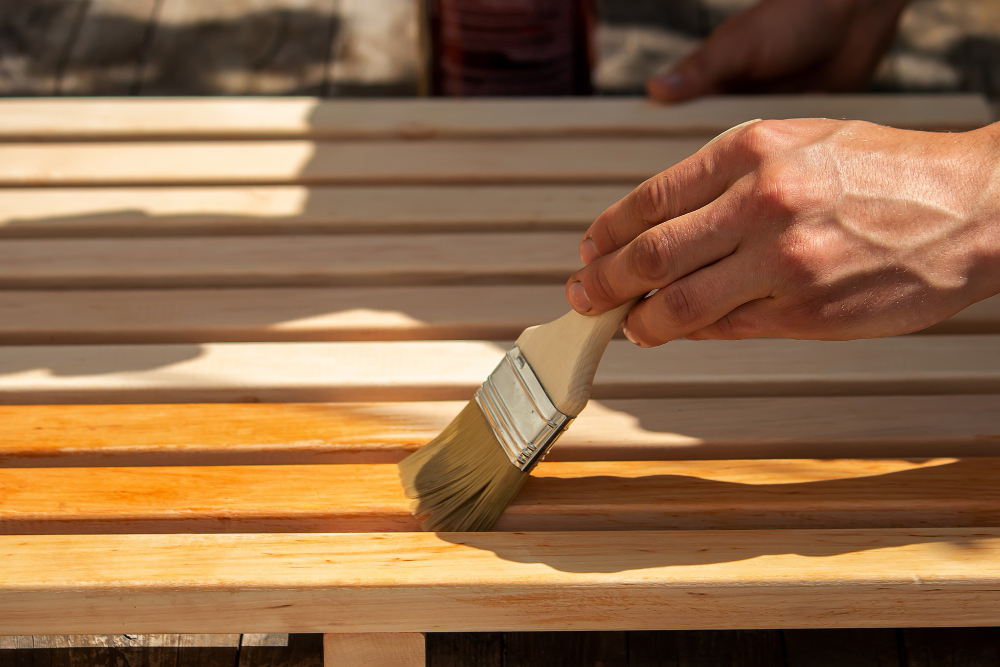
Even a well-prepped deck can look uneven after poor stain application. Applying too much product in one area can create dark patches after drying. Thin coverage in another area may leave the wood looking faded.
Blotchy deck stain can also come from stopping and starting in awkward places. Stain needs to be applied with attention to board length and overlap. Random edges can leave visible lap marks once sunlight hits the deck.
Weather conditions matter during application as well. Strong heat may dry stain too fast before it has time to settle. Damp air can slow drying and affect the finish’s overall look.
We take the deck layout into account before applying the product. Railings, stairs, and built-in benches each require a steady approach. A good finish should flow across the space instead of looking pieced together.
The best stain for redwood deck surfaces is usually one that works with the wood instead of hiding it. Semi transparent or tone rich finishes often perform well because they enhance the grain and still let the redwood look like redwood. Heavy coatings can make the deck feel flat, and that usually is not the look people want.
We test stain on the actual boards before moving ahead. That saves time and keeps the final result from feeling like a guess.
When Fading Looks Blotchy
Not every blotchy deck is the result of a recent staining project. Sometimes the finish has faded unevenly after years of sun exposure. South-facing boards often lose color faster than sections shaded by the home.
Furniture can also affect fading patterns across a deck surface. A rug may protect one area while nearby boards take direct sunlight. Moving a planter can reveal a darker square that has been hiding for months.
These marks can make a deck feel worn even after a basic cleaning. The wood may still be in decent shape beneath the faded finish. Restoration can bring those sections closer together without replacing the entire deck.
A professional assessment helps separate normal weathering from deeper finish problems. We look for water absorption, surface texture, and signs of coating failure. That gives us a practical direction before any work begins.
Signs Your Deck Needs More Than Another Coat
Another coat of stain can be tempting when the deck looks patchy. Sometimes it helps, though other cases need more thorough surface work first. Covering a problem without preparation often creates another round of uneven color.
Watch for these signs before adding more stain to the surface:
- Stain is peeling around steps or along frequently used walkways
- Water darkens the boards within minutes after rainfall
- The surface feels rough or splintered in several areas
- Older stain remains visible in scattered patches across boards
Blotchy deck stain becomes easier to answer once these signs appear. The deck may need cleaning, sanding, or stain removal before restaining. Taking care of the base layer gives the next finish a fair shot.
Full Restoration Can Be Worth It
A full deck restoration makes sense when the finish has failed across large areas. It is often the better route for decks with peeling stain or heavy graying. Trying to spot-fix every section can leave the surface looking more uneven.
Restoration gives us the chance to reset the deck’s appearance from the ground up. We can clean the boards, address rough sections, and prepare the wood for stain. That creates a more consistent foundation for the final color.
Blotchy deck stain may feel like a small visual problem at first. Yet it can also point toward wood that has been exposed too long. Addressing it early helps keep the outdoor space enjoyable and easier to maintain.
We have seen decks go from tired and patchy to warm and inviting again. The difference often comes from treating preparation as part of the finish. Nobody wants to redo the same deck project next season.
Finding The Right Finish
Stain color can affect how noticeable existing unevenness becomes. A darker color may make rough patches more visible on certain boards. A more natural tone can sometimes work better with weathered wood and visible grain.
We test stain options directly on the deck whenever possible. That lets you see how the product looks in shade and direct sunlight. It also gives us time to spot any areas needing additional preparation.
Blotchy deck stain matters less once the wood has a balanced finish. The goal is not to make every grain pattern disappear completely. The goal is a deck that looks cared for and feels right for your home.
You can see how restoration changes exterior wood through our project gallery. Each project has different conditions, which is why the approach matters. A thoughtful plan can bring out the best in older boards.
Our approach is focused on prep, stain selection, and long term results. We want the deck to look good, but we also want it to hold up once the weather turns again. That balance matters, especially for homeowners who want their outdoor space to last.
You can see more of the finished work in our gallery, where the before and after changes tell the story better than words can. We also share what clients say about working with us in our testimonials, which gives a real sense of the experience.
Working With NextGen Staining
We understand how disappointing it feels when a deck finish does not turn out right. Homeowners often call after trying a DIY project that looked good briefly. Then the color dries unevenly and the deck becomes harder to ignore.
Blotchy deck stain is a question we take seriously. We look beyond the color to find the condition causing it. That way, the work addresses the reason behind the blotches instead of hiding them.
Our goal is to give your deck a finish that looks natural and lasts. We explain what we see, then recommend work based on the actual surface. You can also read our client testimonials to hear about past experiences with our team.
FAQs
Another coat may help in limited cases, but it can worsen uneven coverage. The deck needs inspection first to find out why the stain looks blotchy. Surface preparation is often needed before adding more product.
Rain can affect stain if it arrives before the finish has cured. Moisture may leave marks or interfere with how the product settles. Older decks can also show uneven weathering after repeated rain exposure.
Sanding can help when old stain residue or rough wood causes uneven absorption. It may not be necessary across the entire deck surface. We assess the boards to determine where sanding will help most.
The deck should be fully dry before stain is applied. Drying time depends on weather conditions and how deeply the wood absorbed water. Applying stain too soon can lead to inconsistent results.
Pressure washing may remove loose stain and surface buildup from the deck. It cannot always remove deeply absorbed stain or correct damaged wood fibers. A careful restoration plan may include additional surface preparation.
A darker stain may hide some faded spots, but it can highlight lap marks. The better approach is preparing the deck so stain absorbs more evenly. Color should support the wood instead of masking poor surface conditions.
Bring Your Deck Back Into Balance
A blotchy deck finish does not have to become your next weekend headache. Reach out through our contact page to let NextGen Staining restore your deck with a better plan.